
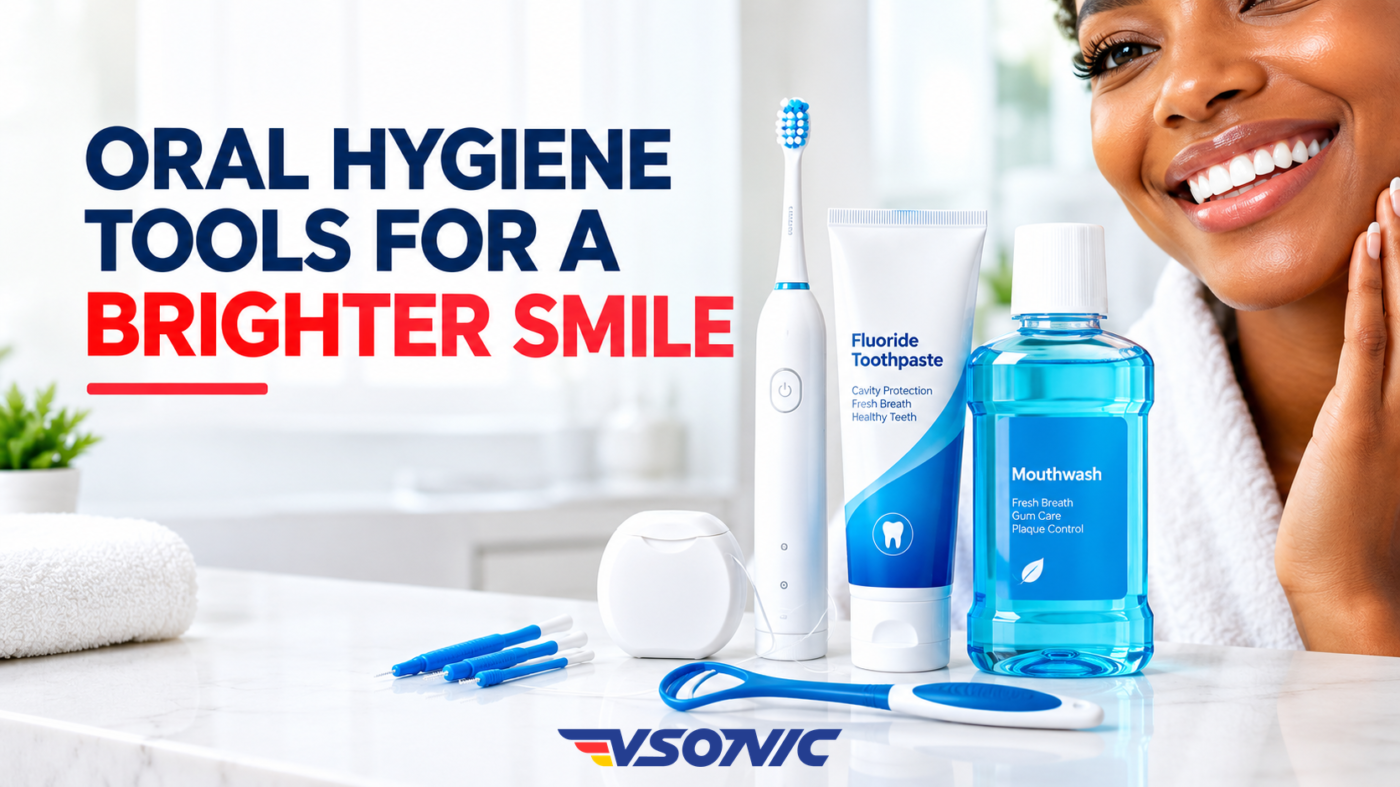
A healthy, confident smile begins with good oral hygiene. From brushing your teeth every morning to cleaning between them before bed, the tools you use can make a significant difference to your teeth, gums, and breath.
However, with so many oral care products available, choosing the right ones can be confusing. Should you use a manual or electric toothbrush? Is mouthwash necessary? Can a water flosser replace dental floss? And which tools actually help keep your teeth looking brighter?
Whether you are building a personal oral care routine or upgrading your bathroom essentials, this guide explores the essential oral hygiene tools for a brighter-looking smile, healthier gums, and fresher breath.
1. Toothbrushes: Manual vs Electric
The toothbrush is the foundation of any effective oral hygiene routine. Its primary purpose is to remove plaque, food particles, and bacteria from the surfaces of your teeth.
There are two main options: manual and electric toothbrushes.
Manual toothbrushes are affordable, readily available, portable, and easy to use. A soft-bristled toothbrush is generally recommended because it can clean effectively without unnecessarily irritating the gums or wearing down tooth surfaces.
Electric toothbrushes use powered movements to help remove plaque. Some models include built-in timers, pressure sensors, and different cleaning modes that can make brushing easier and more consistent.
Which should you choose? Both can clean your teeth effectively when used correctly. An electric toothbrush may be especially helpful for people who struggle with brushing technique or have limited hand mobility.
For the best results, brush twice daily for two minutes, using gentle movements and paying attention to every tooth surface. Replace your toothbrush or electric brush head approximately every three to four months, or sooner if the bristles become frayed.
2. Toothpaste: Choose More Than a Fresh Flavour
Toothpaste does more than make your mouth feel fresh. The right formulation helps protect your teeth and supports the removal of plaque and surface stains.
For most people, fluoride toothpaste is an important part of daily oral care because fluoride helps strengthen tooth enamel and prevent tooth decay.
When choosing toothpaste, consider your needs:
- Everyday protection: Fluoride toothpaste helps protect against cavities.
- Sensitivity: Toothpaste formulated for sensitive teeth may help reduce discomfort when used consistently.
- Whitening: Whitening toothpaste can help remove certain surface stains, but it does not necessarily change the natural colour of your teeth.
- Gum care: Some formulations are designed to support plaque control and gum health.
Avoid assuming that stronger flavours or more abrasive products provide better cleaning. Excessive abrasion can damage tooth surfaces over time. If you have persistent sensitivity, bleeding gums, or other oral health concerns, consult a dentist for advice.
3. Dental Floss: Clean Between Your Teeth
Brushing alone cannot reliably remove all plaque and food particles from between teeth. This is where dental floss becomes valuable.
Dental floss is a thin strand designed to clean the spaces between neighbouring teeth, particularly where a toothbrush cannot reach effectively.
Common options include waxed floss, unwaxed floss, and floss picks. Waxed floss may slide more easily between tightly spaced teeth, while floss picks can be convenient for people who find traditional floss difficult to handle.
To use floss effectively, gently guide it between your teeth without snapping it into your gums. Curve it around each tooth and move it carefully along the tooth surface beneath the gumline.
Cleaning between your teeth once daily helps remove plaque from areas that brushing can miss. If traditional floss is difficult to use, interdental brushes may be suitable for wider spaces between teeth.
4. Interdental Brushes: An Alternative for Wider Gaps
Interdental brushes are small brushes designed to clean between teeth. They are particularly useful when the spaces between teeth are too wide for ordinary floss to clean comfortably.
They may also help people with braces, bridges, or certain dental restorations maintain cleaner spaces around their teeth.
Choose a brush that fits comfortably without forcing it through a gap. Using one that is too large can irritate the gums or cause injury.
Interdental brushes are not necessary for everyone. If your teeth are tightly spaced, floss may be more suitable. A dentist or dental hygienist can help you select the appropriate size and cleaning method.
5. Water Flossers: A Convenient Addition to Oral Care
A water flosser uses a controlled stream of water to help remove food debris and plaque from between teeth and around the gumline.
Many models offer adjustable pressure settings and interchangeable tips. Some are designed for countertop use, while cordless versions are convenient for smaller bathrooms or travel.
Water flossers can be particularly useful for people with braces, bridges, implants, or difficulty handling traditional floss. They may also make interdental cleaning more comfortable for some users.
However, a water flosser should not automatically be considered a complete replacement for conventional floss or interdental brushes in every situation. The most appropriate method depends on your teeth, gums, and dental needs.
If you are considering one, look for adjustable pressure, easy cleaning, comfortable handling, and suitable replacement tips.
6. Tongue Scrapers: Support Fresher Breath
Your tongue can collect bacteria, food debris, and dead cells that contribute to bad breath. A tongue scraper is designed to remove some of this buildup from the tongue’s surface.
Tongue scrapers are available in plastic and metal designs. Some toothbrushes also include a tongue-cleaning surface on the back of the brush head.
To use one, gently move it across the tongue from the back toward the front, following the product instructions. Rinse it after use and clean it properly.
Avoid scraping aggressively, as this can irritate the tongue. A tongue scraper supports oral hygiene, but persistent bad breath may indicate an underlying dental or medical issue that needs professional assessment.
7. Mouthwash: An Extra Layer of Support
Mouthwash can complement brushing and interdental cleaning, but it does not replace either practice.
Different mouthwashes serve different purposes. Fluoride rinses can help strengthen enamel and protect against tooth decay, while certain therapeutic formulations help control plaque, gingivitis, or bad breath.
Cosmetic mouthwashes mainly freshen breath temporarily.
When selecting a mouthwash, read the label carefully and choose one appropriate for your needs. Some therapeutic rinses should only be used for a limited period or under professional guidance.
For many people, mouthwash is an optional addition rather than an essential step. If you use a fluoride mouthwash, consider using it at a different time from brushing so that you do not immediately wash away the more concentrated fluoride left by your toothpaste.
8. Build a Simple Daily Oral Hygiene Routine
Having several oral care tools is useful only if you use them consistently. A practical routine does not need to be complicated.
Morning
- Brush for two minutes with fluoride toothpaste.
- Clean your tongue gently if needed.
- Use mouthwash if appropriate for your oral care needs.
Evening
- Clean between your teeth using floss or a suitable interdental brush.
- Brush for two minutes with fluoride toothpaste.
- Spit out the toothpaste rather than rinsing immediately with water.
Throughout the day
- Drink water regularly.
- Limit frequent consumption of sugary foods and drinks.
- Avoid tobacco, which can stain teeth and increase the risk of gum disease and oral cancer.
- Arrange regular dental check-ups based on your oral health needs.
Consistency is more important than owning every product on the shelf.
9. Common Oral Hygiene Mistakes to Avoid
Even good-quality oral care tools may be ineffective if used incorrectly. Avoid these common mistakes:
- Brushing too hard: Aggressive brushing can contribute to gum recession and enamel wear. Use a soft-bristled brush and gentle pressure.
- Ignoring the spaces between teeth: Brushing alone may leave plaque between teeth.
- Using whitening products excessively: Some products can cause sensitivity or damage when misused.
- Sharing toothbrushes: This can transfer saliva and microorganisms between people.
- Neglecting toothbrush maintenance: Rinse your brush after use, let it air-dry upright, and replace it when worn.
- Using mouthwash instead of brushing: Mouthwash cannot remove all the plaque and debris that brushing and interdental cleaning address.
Remember that a brighter-looking smile is not simply about removing stains. Healthy gums, clean teeth, and preventive dental care are equally important.
10. Frequently Asked Questions
What are the most important oral hygiene tools?
For most adults, the essentials include a soft-bristled toothbrush, fluoride toothpaste, and dental floss or another suitable interdental cleaning tool. A tongue scraper and mouthwash may provide additional benefits depending on individual needs.
Is an electric toothbrush better than a manual toothbrush?
Both can be effective when used properly. Electric toothbrushes may make consistent brushing easier, but correct technique and regular brushing matter more than the type of toothbrush alone.
Can oral hygiene tools whiten teeth naturally?
Brushing and interdental cleaning help remove plaque and some surface stains, supporting a cleaner-looking smile. They do not necessarily change the natural shade of teeth. Professional advice is recommended if you want to whiten your teeth safely.
How often should I replace my toothbrush?
Replace your toothbrush or electric brush head approximately every three to four months, or earlier if the bristles become frayed.
Is a water flosser necessary?
Not everyone needs one. It can be helpful for people with braces, dental restorations, or difficulty using traditional floss. Choose the method that works best for your oral health needs.
Conclusion: Make Your Smile a Daily Priority
Maintaining a brighter-looking smile starts with consistent oral hygiene, not an expensive collection of products. A suitable toothbrush, fluoride toothpaste, and effective cleaning between your teeth form the foundation of a good routine. Additional tools such as water flossers, tongue scrapers, and mouthwash can provide useful support when chosen appropriately.
The best oral hygiene tools are those that suit your needs and help you maintain healthy habits every day. Combine good home care with regular dental check-ups for a more complete approach to oral health.
Looking for health and personal care essentials? Explore the Health & Beauty category and discover available products at VSONIC.NG, your destination for technology, household essentials, and lifestyle products in Nigeria.